
Heritage Ranch, CA
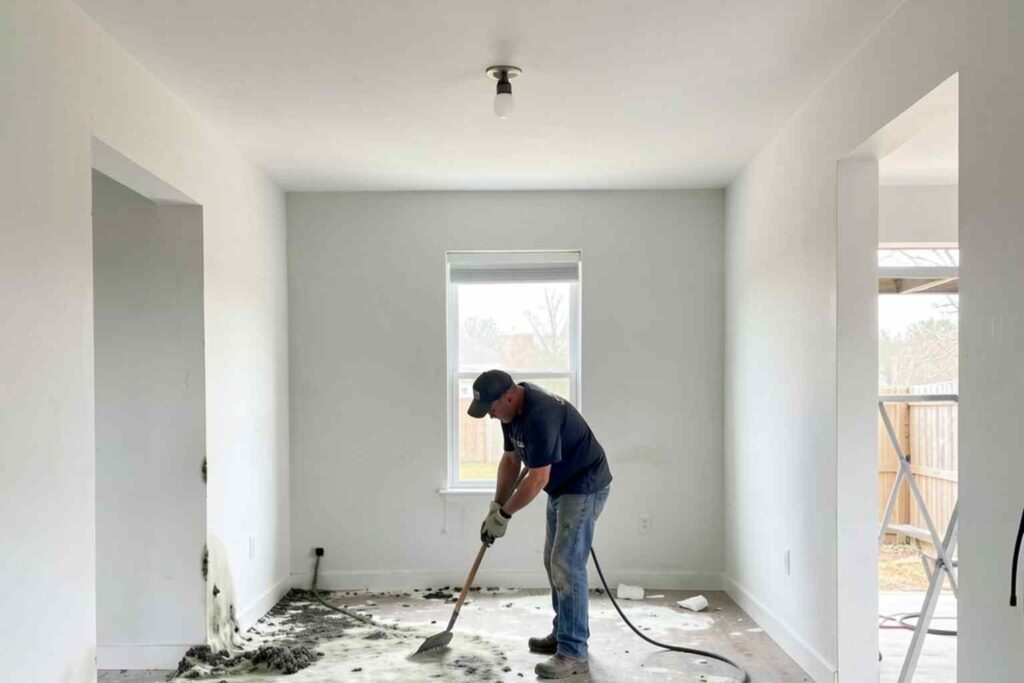
Common Sewage Backup Causes in Paso Robles
Main Sewer Line Blockages:
- Tree root intrusion (common in older Paso Robles neighborhoods)
- Flushed items (wipes, feminine products, paper towels)
- Grease buildup from kitchen drains
- Collapsed or corroded clay pipes (homes built before 1980)
Municipal System Backups:
- Heavy rain overwhelming city systems
- Main line breaks
- Pump station failures
Septic System Failures:
- Tank overflow (many Heritage Ranch properties use septic)
- Drain field saturation
- Tank damage or collapse
Plumbing Issues:
- Toilet clogs forcing sewage backward
- Vent pipe blockages creating vacuum
- Sump pump failures in basements
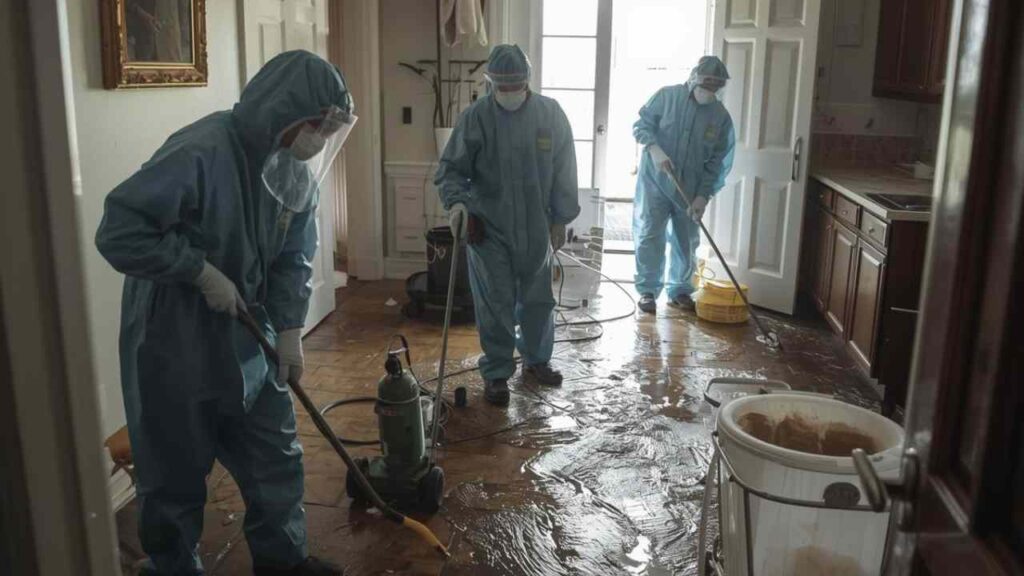
Health Risks of Sewage Exposure
Raw sewage contains dangerous pathogens:
Bacteria: E. coli, Salmonella, Shigella, Campylobacter
Viruses: Hepatitis A, Norovirus, Rotavirus
Parasites: Giardia, Cryptosporidium
Exposure routes include:
- Direct contact with skin (especially cuts or wounds)
- Inhalation of airborne particles
- Ingestion from contaminated surfaces
Symptoms can include severe diarrhea, vomiting, fever, and skin infections. Immunocompromised individuals face serious risks.
Our Sewage Cleanup Process
Emergency Response & Safety Assessment (Hour 0) We arrive in full protective equipment:
- Respirators with HEPA filtration
- Waterproof coveralls
- Rubber boots and gloves
- Eye protection
First priority: keep you and your family away from contaminated areas.
Source Control (Hour 0-1) If sewage is actively flowing, we coordinate with emergency plumbers to stop the source. We cannot clean effectively while sewage continues entering.
Sewage Extraction (Hours 1-3) Using dedicated sewage extraction equipment (never used for clean water), we remove standing sewage. This equipment is disinfected after every use to prevent cross-contamination.
Contaminated Material Removal (Hours 3-6) Porous materials that contacted sewage cannot be sanitized:
- Carpet and padding (must be removed and disposed of)
- Drywall (bottom 12-24 inches if contacted)
- Insulation
- Particleboard or pressboard
These materials are bagged in 6-mil polyethylene, sealed, and disposed of at approved facilities.
Surface Cleaning & Disinfection (Days 1-2) Non-porous surfaces that can be saved:
- Initial cleaning to remove solid waste
- Thorough washing with EPA-registered antimicrobial cleaner
- Secondary disinfection with hospital-grade disinfectant
- Minimum 10-minute dwell time for disinfectant effectiveness
Structural Drying (Days 2-5) After disinfection, we dry all affected areas using:
- Commercial dehumidifiers
- Air movers
- Negative air machines with HEPA filtration
Proper drying prevents mold growth following sewage exposure.
Odor Control (Throughout Process) Sewage odor is pervasive. We use:
- Hydroxyl generators (safe for occupied spaces)
- Air scrubbers with activated carbon filtration
- Antimicrobial fogging
- Odor-sealing primers before reconstruction
Final Sanitization & Clearance (Final Day) Before reconstruction:
- Complete area disinfection
- HEPA vacuuming of all surfaces
- Air quality verification
- Final odor check
Reconstruction (Week 2+) We rebuild removed materials:
- New drywall installation
- Subfloor repair or replacement
- New flooring (carpet, tile, vinyl)
- Baseboards and trim
- Painting
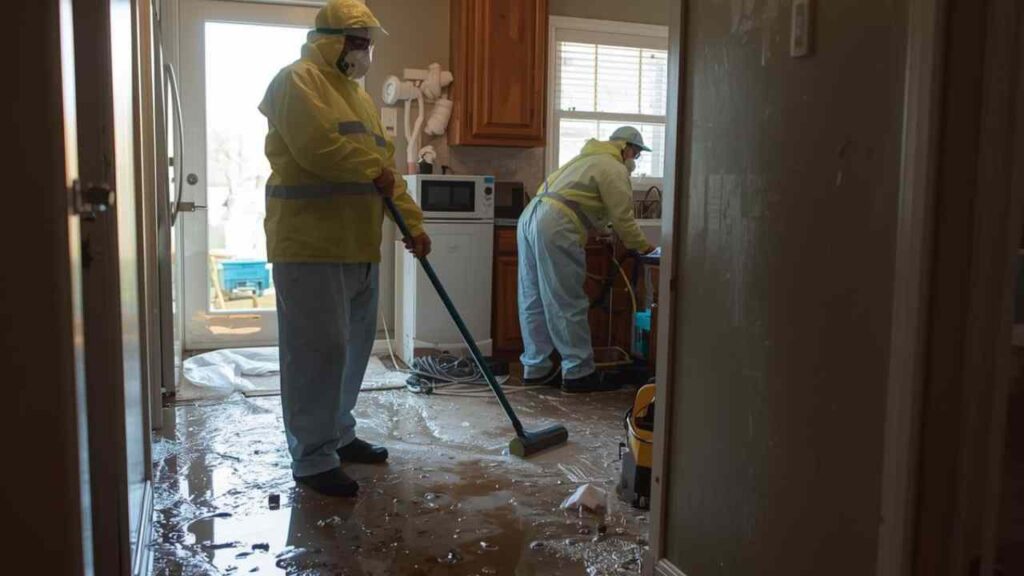
How Long Does Sewage Cleanup Take?
Small bathroom backup: 3-7 days
Basement sewage flood: 7-14 days
Whole-home backup: 2-4 weeks
Timelines include extraction, disinfection, drying, and reconstruction.
Sewage Cleanup Cost in Paso Robles
Minor backup (single toilet): $1,500-3,500
Moderate backup (bathroom + hallway): $4,000-8,000
Major backup (basement or multiple rooms): $8,000-20,000+
Costs depend on sewage volume, affected square footage, and materials requiring disposal.
Does Insurance Cover Sewage Backups?
Standard homeowners policies often EXCLUDE sewage backups unless you’ve purchased a “sewer backup endorsement” (typically $40-100/year).
With endorsement: Full coverage including cleanup, disposal, and reconstruction (minus deductible)
Without endorsement: You pay out of pocket
Exception: If backup results from a covered event (like storm damage to your roof allowing water to enter plumbing vents), main policy may cover.
We work with your insurance either way, providing documentation and direct billing when possible.
Can I Clean Sewage Myself?
Absolutely not recommended. Sewage contains pathogens requiring:
- Proper protective equipment
- EPA-registered disinfectants (not retail cleaners)
- Knowledge of cross-contamination prevention
- Proper disposal methods
- Structural drying to prevent mold
DIY sewage cleanup endangers your health and typically results in mold problems within 2-3 weeks.
Preventing Sewage Backups
Plumbing Maintenance:
- Professional drain cleaning every 2-3 years
- Never flush wipes, paper towels, or feminine products
- Install drain screens to catch debris
- Avoid pouring grease down drains
Tree Root Management:
- Know where sewer lines run
- Don’t plant trees near sewer laterals
- Consider root barriers if trees exist near lines
Septic System Care:
- Pump septic tanks every 3-5 years
- Have drain field inspected periodically
- Avoid excessive water use in short periods
Backup Prevention:
- Install a backwater valve (prevents municipal backflow)
- Consider a sewage ejector pump for basement fixtures
- Ensure proper slope on sewer lateral
What to Do Immediately After Sewage Backup
- Evacuate contaminated areas – Keep family and pets away
- Don’t touch anything – Sewage is a biohazard
- Turn off HVAC – Prevents spreading airborne contaminants
- Call Rock Solid immediately – (805) 935-4371
- Don’t attempt cleanup – Wait for professionals with proper equipment
- Document for insurance – Photos from doorway only (don’t enter)
Sewage vs. Toilet Overflow: What’s the Difference?
Toilet overflow (clean bowl water): Category 1 or 2—less hazardous, easier cleanup
Sewage backup (raw sewage from main line): Category 3—serious biohazard requiring full protocol
Both need professional attention, but sewage backups demand hazmat-level response.
Certified Sewage Cleanup Throughout San Luis Obispo County
Our technicians are IICRC-certified in sewage cleanup and bloodborne pathogen handling. We follow CDC, EPA, and OSHA guidelines for biohazard remediation.
Serving: Paso Robles, Heritage Ranch, Atascadero, Templeton, San Miguel, and surrounding communities.
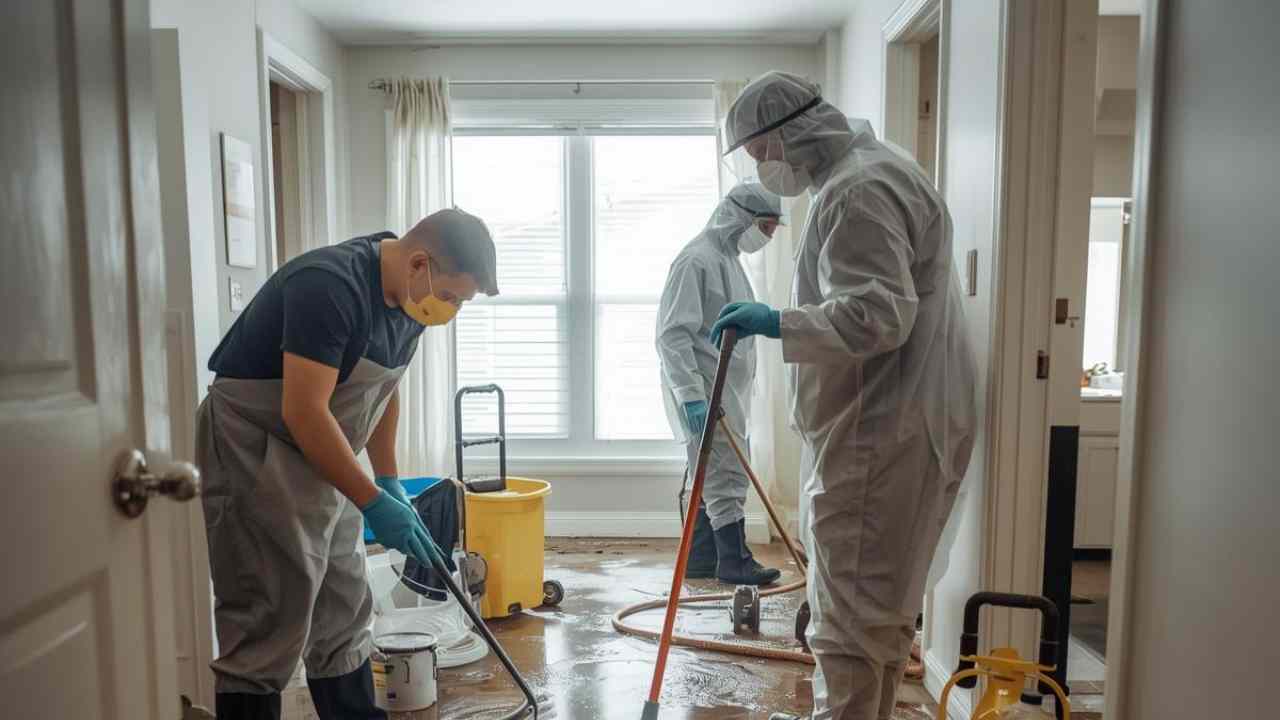
Sewage Emergency? Don’t Wait. Don’t Touch. Call Professionals.
Sewage exposure is a health emergency. Every hour increases contamination spread and pathogen exposure risk.
Available 24 hours a day, 7 days a week, 365 days a year
We respond immediately with certified crews and specialized equipment. Your family’s safety is our priority. 📞 (805) 935-4371 – 24/7 Emergency Sewage Cleanup